


Rhubarb is one of the most reliable plants in the garden. A true perennial that comes back year after year in zones 3–8 with almost no fuss. The challenge isn’t growing it. It’s keeping up with it. When your rhubarb patch is producing faster than you can use it fresh, knowing how to preserve and store rhubarb means you can enjoy that tart, early-season flavor all year long
Rhubarb Season
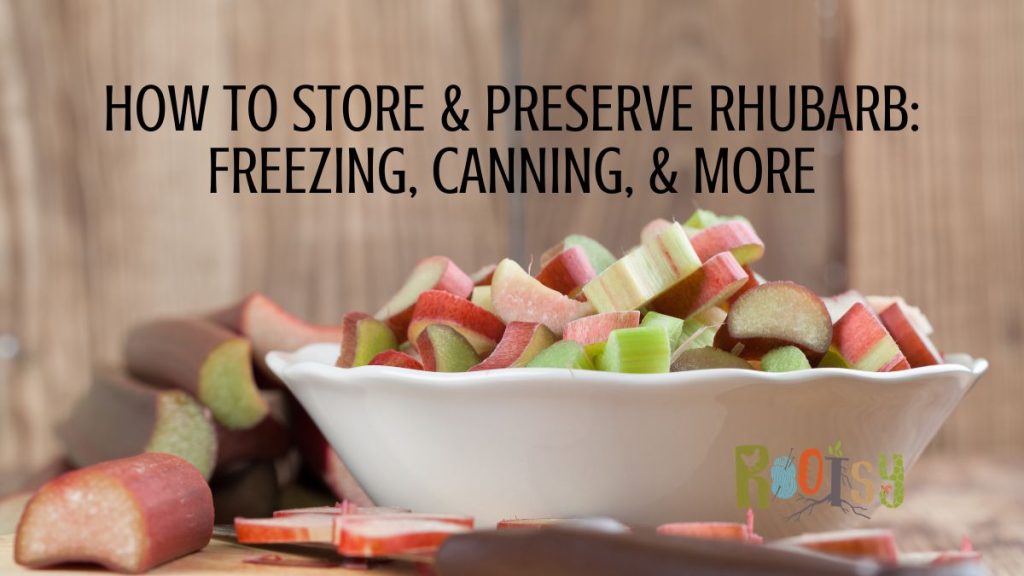
Rhubarb is a perennial plant that returns reliably each spring. In the US, rhubarb season typically runs from April through July, with peak harvest in late spring. It’s grown as an annual in climates warmer than zone 8. The season is short but the plants are prolific which is exactly why preserving makes so much sense. You can also enjoy rhubarb fresh as part of your seasonal eating while it lasts.
Where to Buy Rhubarb
You can buy rhubarb at the Farmer’s market if it grows in your area. Rhubarb can also be found in the produce section of some grocery stores.
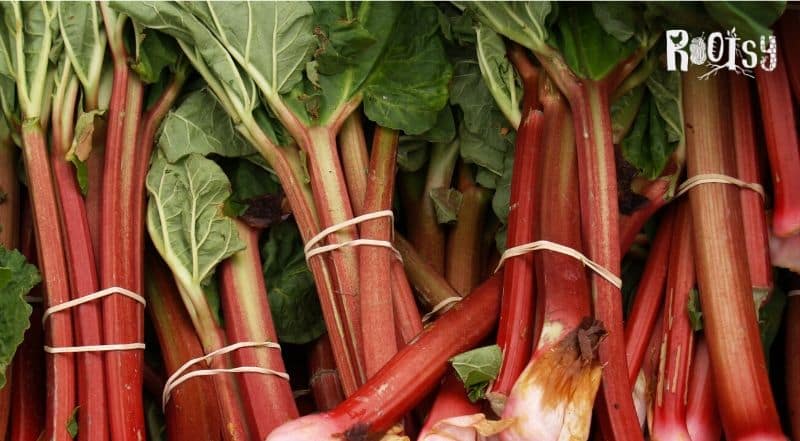
Don’t be afraid to buy stems with a green tinge to them. Different varieties of rhubarb will have different shades of red. Look for stems that are around 3/4″ in diameter and at least 7″ long.
If you can’t find fresh rhubarb you might be able to find frozen rhubarb in the frozen section of the grocery store.

How to Prepare Rhubarb
Before eating or preserving rhubarb, a little prep goes a long way:
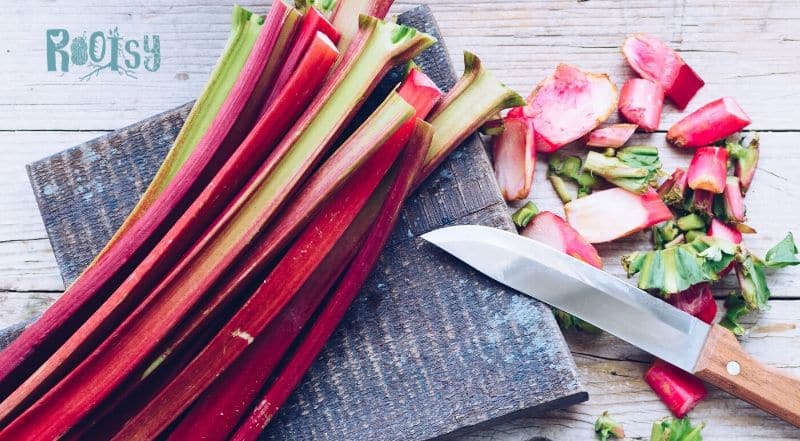
- Remove and discard the leaves — they are toxic and should not be eaten or fed to livestock. Compost them instead.
- Trim the ends of the stalks and compost those too.
- Use a vegetable peeler or knife to remove any tough strings or brown spots.
- Rinse the stalks under cold water.
- Slice crosswise into 1–2 inch pieces. Rhubarb cooks down significantly so there’s no need to cut it smaller than this.
Can You Eat Raw Rhubarb?
Yes, you can even eat rhubarb raw….just remember that it’s quite tart. However, dipped in sugar or another sweetener it makes a tasty snack.
How to Store Rhubarb
Whether you’ve just harvested a big batch from the garden or picked up an armful at the farmers market, proper storage means you won’t lose any of that precious early season harvest.
Storing Fresh Rhubarb in the Refrigerator
Fresh rhubarb stores best unwashed in the refrigerator. Wrap the stalks loosely in a damp paper towel and place them in an open plastic bag or reusable produce bag in your crisper drawer. Stored this way, fresh rhubarb will keep for 1–2 weeks.
A few tips:
- Leave stalks whole until you’re ready to use them — cut rhubarb dries out faster
- Remove leaves before refrigerating if still attached
- Don’t wash rhubarb before storing — moisture speeds up deterioration
Storing Cut Rhubarb
Already chopped your rhubarb? Place cut pieces in an airtight container or zip-top bag and refrigerate. Use within 3–5 days for best quality. If you won’t use it that quickly, freezing is a better option.
How Long Does Rhubarb Last?
| Storage Method | How Long it Keeps |
| Countertop (Whole Stalks) | 1-2 Days |
| Refrigerator (Whole Stalks) | 1-2 Weeks |
| Refrigerator (Cut Pieces) | 3-5 Days |
| Freezer | Up to 1 Year |
Storing Rhubarb After the Season Ends
As the season winds down in late summer or fall, freeze any remaining stalks rather than leaving them. Rhubarb doesn’t hold in the ground past its season, so harvest what’s left, chop and freeze it, and you’ll have rhubarb ready to use all winter long.
Ways to Preserve and Use Rhubarb
Rhubarb is wonderfully versatile for preserving. It freezes beautifully, cans well, ferments surprisingly well, and can be turned into syrups, wines, sauces, and more. Here’s a full rundown of the best ways to put your harvest up.
Freeze It
Freezing is the easiest and most flexible preservation method. No special equipment required. Frozen rhubarb keeps for up to a year and works in almost any recipe. You can freeze it raw or blanched, plain or packed in simple syrup. See our full guide to freezing rhubarb for step-by-step instructions.
Can It
Canning rhubarb is a satisfying way to stock the pantry for the months ahead. You can can rhubarb for a simple, versatile preserve, or go straight to a finished product like rhubarb pie filling. It’s a sweet and tart treat ready to pull from the shelf even when rhubarb is long out of season. For full guidance on the process, see our post on canning rhubarb.
Make Jam, Butter, or Jelly
While straight rhubarb jam is delicious, the combinations are where things get really interesting. A low-sugar balsamic strawberry rhubarb jam is a standout worth making every spring. Rhubarb butter is another wonderful option, it’s smooth, spreadable, and deeply flavored.
Make a Simple Syrup
A rhubarb simple syrup is one of the most versatile things you can make with a glut of stalks. Use it to flavor baked goods, stir it into yogurt, add it to lemonade or sparkling water, or drizzle it over pancakes and waffles. It’s quick to make and keeps well in the refrigerator for several weeks.
Make Rhubarb Juice
There are a couple of approaches here. You can simmer chopped rhubarb in water with a little sugar to extract the flavor and sweeten it into a juice, or run it through a juicer. Freezing the pieces first in 1-inch chunks before juicing gives you better yield. The result makes a wonderfully tart lemonade.
Ferment It
Fermentation and rhubarb are a surprisingly good match. Fermented rhubarb can be eaten straight from the jar or used to make a probiotic rhubarb lemonade — tangy, gut-friendly, and genuinely delicious.
Make Rhubarb Wine
If you’ve been curious about homemade wine, rhubarb is a great place to start. It takes some time but the result is a sweet, fruity wine that makes excellent use of a bumper crop.
Bake With It
Of course rhubarb shines in the kitchen too. Rhubarb crisp, rhubarb custard pie, and rhubarb oatmeal bars, are all worth making while the season lasts. For even more inspiration, browse our rhubarb recipe roundup and our strawberry rhubarb recipe roundup. The strawberry and rhubarb is a classic combination that never gets old.
I LOVE rhubarb and I am so excited to make rhubarb syrup. I never thought of this but I love the idea. I always have more than we can eat.
Can this be made using a sugar substitute to make it diabetic friendly?
You can often use Splenda in canning recipes if that’s what you’re seeking: https://nchfp.uga.edu/questions/FAQ_general.html
When using frozen rhubarb should I put it in a strainer or
thaw it in a bowl using all the juices? Then when making a pie add extra flour?
If it ends up with a lot of liquid, I would set some of it aside and definitely try adding a bit of flour. Personally, I love adding rhubarb juice to my lemonade!
This is my third year growing rhubarb,love the plant. I read the information on harvesting it and am wondering how thin can it be to harvest? I have stalks that are 12-14 inches long but only as wide as a drinking straw, should I harvest these or leave them
Are they completely red? For me it would depend on what they’re being used for. Canning, cooking down, sure- you’ll just need more. For pies and such, I prefer to use at least 1” thick stalks.