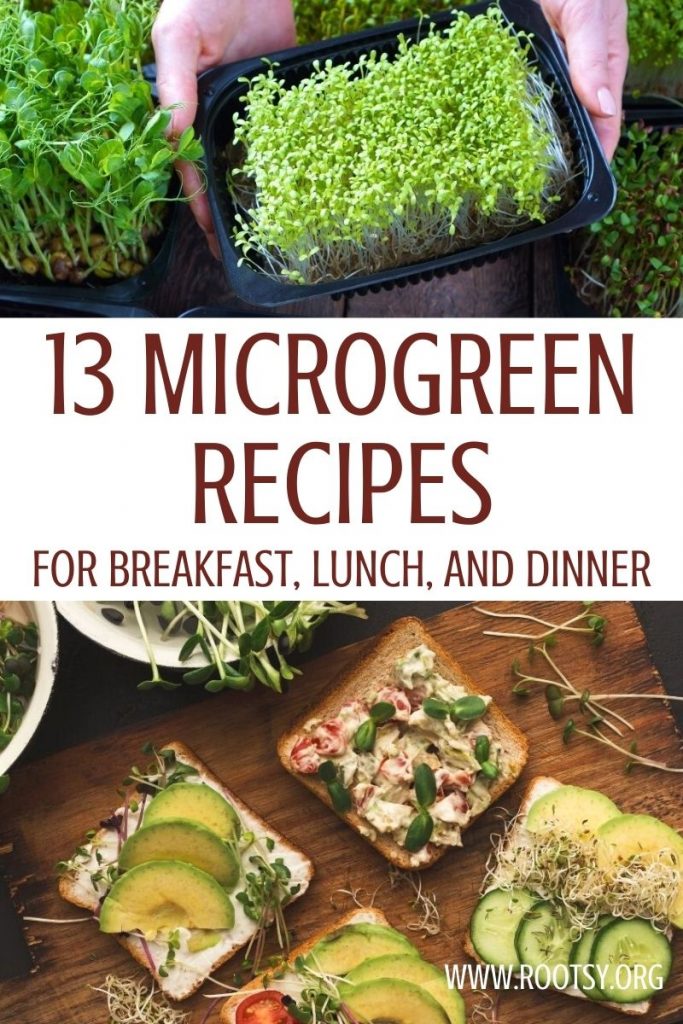


If you’ve grown microgreens — or bought a tray at the farmers market and then stood in your kitchen wondering what to actually do with them — you’re in the right place.
Microgreens are harvested before they fully mature, usually when they’re just a few inches tall and still tender. They’re packed with flavor and nutrients, and they’re genuinely one of the most versatile things you can grow. The trick is knowing how to use them well, and that’s what this post is about.
Below you’ll find 13 microgreen recipes that take you from breakfast all the way through dinner — plus everything you need to know about flavor, storage, and which varieties to reach for.

If you’re not growing your own yet, check out our guide to growing micro herbs and microgreens — it’s easier than you’d think and you can start on a windowsill.
What do microgreens taste like?
This is the most important thing to know before you start cooking with them: microgreens taste like a concentrated version of the mature plant. That’s actually what makes them so useful — and it’s why choosing the right variety for a dish matters.
Here’s a quick flavor guide to the most common types:
- Broccoli — mild, slightly earthy. Great in smoothies, eggs, or as a topping on soup.
- Pea shoots — sweet and fresh, like the smell of a spring garden. One of the most crowd-pleasing. Wonderful in salads and stir-fries.
- Sunflower — nutty and substantial. Good in microgreen salads where you want them to be the main green rather than a garnish.
- Radish — peppery and bright. Excellent on tacos, avocado toast, and anything that needs a kick.
- Arugula — bold and peppery, like grown-up arugula but more so. Use sparingly on pizza or pasta.
- Kale — mild and slightly grassy. Great in smoothies where you want nutrition without an overpowering flavor.
- Basil — intensely fragrant. Treat it like fresh basil — it’s incredible on pizza, pasta, or a Caprese.
- Red cabbage — mild and crunchy with a pretty pop of color. Wonderful anywhere you’d use shredded cabbage.
- Wheatgrass — strong and grassy; best for juicing rather than eating whole.
- Collards — mild, sturdy microgreen that holds up well in warm dishes.
If you don’t like a vegetable in its mature form, you likely won’t enjoy the microgreen version either. But if you’re on the fence about something — say, you find mature radishes too sharp — the microgreen version is often more mild.

Where to get microgreens
Microgreens don’t ship well because they’re harvested so young and delicate. That means grocery stores usually don’t carry them. Your best bets are:
- Farmers markets — most markets with produce vendors will have at least one microgreen grower
- Grow your own — this is genuinely the best option. A tray on a sunny windowsill can be ready in 7–14 days, depending on variety. See our full guide to growing micro herbs and microgreens at home.
If you’re just starting your growing journey, proper seed storage makes a big difference — especially if you’re buying seeds in bulk.
How to use microgreens in recipes
The short answer: almost everywhere. Once you start keeping them on hand, you’ll find yourself reaching for them constantly. Here are the most useful ways to incorporate them:
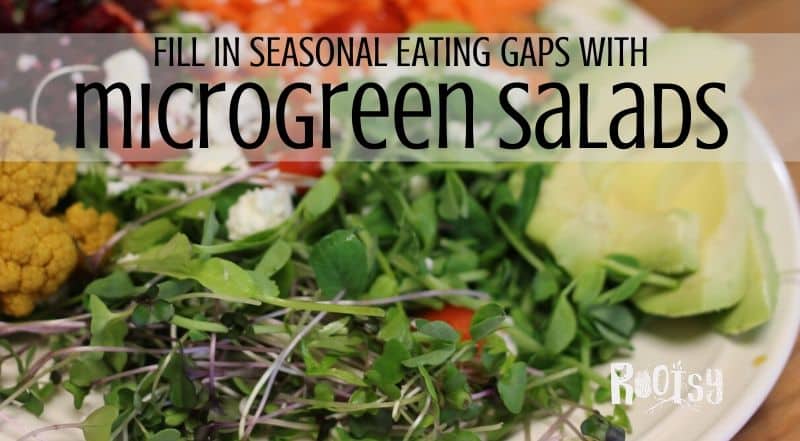
As a salad base — Sunflower, pea, and radish microgreens are substantial enough to be the main green in a salad. Smaller varieties like broccoli or kale work better as an addition. Get ideas in our microgreen salads post.
On eggs — Fold them into an omelet, pile them on top of fried eggs, or tuck them inside a breakfast sandwich. Radish, sunflower, and pea microgreens all work beautifully here.
In smoothies — Broccoli, kale, and pea shoot microgreens blend in well and add serious nutritional density without dominating the flavor. Freeze leftover microgreens in a zip bag and add them straight to the blender from frozen.
On sandwiches and tacos — Use them anywhere you’d use lettuce. They add crunch and a much bigger nutritional punch. Spicy varieties like radish or arugula add real interest.
On pizza and pasta — Add them after cooking, once the dish is on the plate. The heat will wilt them just enough. Basil microgreens on pizza are particularly good.
In soups — Use as a garnish on top. The warmth softens them slightly and they add both flavor and a pop of green. Tomato soup with pea shoot microgreens is a favorite combination.
As a pesto — Arugula, basil, and radish microgreens all make excellent pestos. Blend with olive oil, garlic, parmesan, and pine nuts as you would with regular basil.

How to store microgreens
If you’re growing your own: harvest as you need them and skip the storage question entirely. This is the real advantage of growing at home — peak freshness every time.
If you bought them: wrap loosely in a damp paper towel and store in a sealed bag or container in the fridge. Don’t wash them until right before you use them — moisture speeds up wilting. Stored this way, they’ll keep for about a week.
Leftover microgreens that are just past their prime for fresh eating can go straight into a smoothie or be blended into a pesto — no waste.
Tried this recipe? Please leave a ⭐️⭐️⭐️⭐️⭐️ star rating in the recipe card below and/or a review in the comment section further down the page. We always appreciate your feedback. You can also save the recipe for later by pinning it or clicking on the heart in the lower right hand corner.